(AI in Food & Beverage)
The Menu Is the Last Decision. We Keep Making It First.
George Bargisen
•
Every F&B Concept Gets This Backwards
Walk into almost any F&B concept conversation and the menu comes up in the first ten minutes. What are we serving? What's the price point? Who's cooking it? These feel like the right questions because they're the most tangible ones in the room. You can see a menu. You can cost a menu. You can argue about a menu. It gives everyone something concrete to hold onto before the harder work begins.
The problem is that the menu is the answer to a question most teams never actually ask. It's the result of every decision that matters — about the guest, the space, the story, the service rhythm, and what the experience is actually for. When you lead with the menu, you're building the roof before the foundation exists. It might hold for a while. It won't hold forever.
What Comes Before the Menu
The real first decision is the guest. Not the average guest, not the demographic profile, not the daypart target. The specific person you are designing this experience for and what they need to feel when they sit down. Are they celebrating? Recovering? Conducting business? Stealing an hour for themselves in a week that hasn't given them one?
Every great F&B concept I have been part of started with that conversation and stayed in it long enough to get uncomfortable. Because the honest answer to who this is for usually reveals something inconvenient — that the concept you walked in with was designed for the operator's taste, not the guest's need. That's not a failure. That's the work. You have to find that out before you write a single menu item, not after you've printed it.
The Space Tells You Things the Menu Cannot
The second decision is the space, and the space is honest in ways that planning documents are not. I have walked into venues where the architecture was telling a completely different story than the concept brief described. High ceilings and hard surfaces that demanded energy and volume, paired with a concept designed for intimate conversation. Beautiful raw materials being covered by a design direction that didn't trust them.
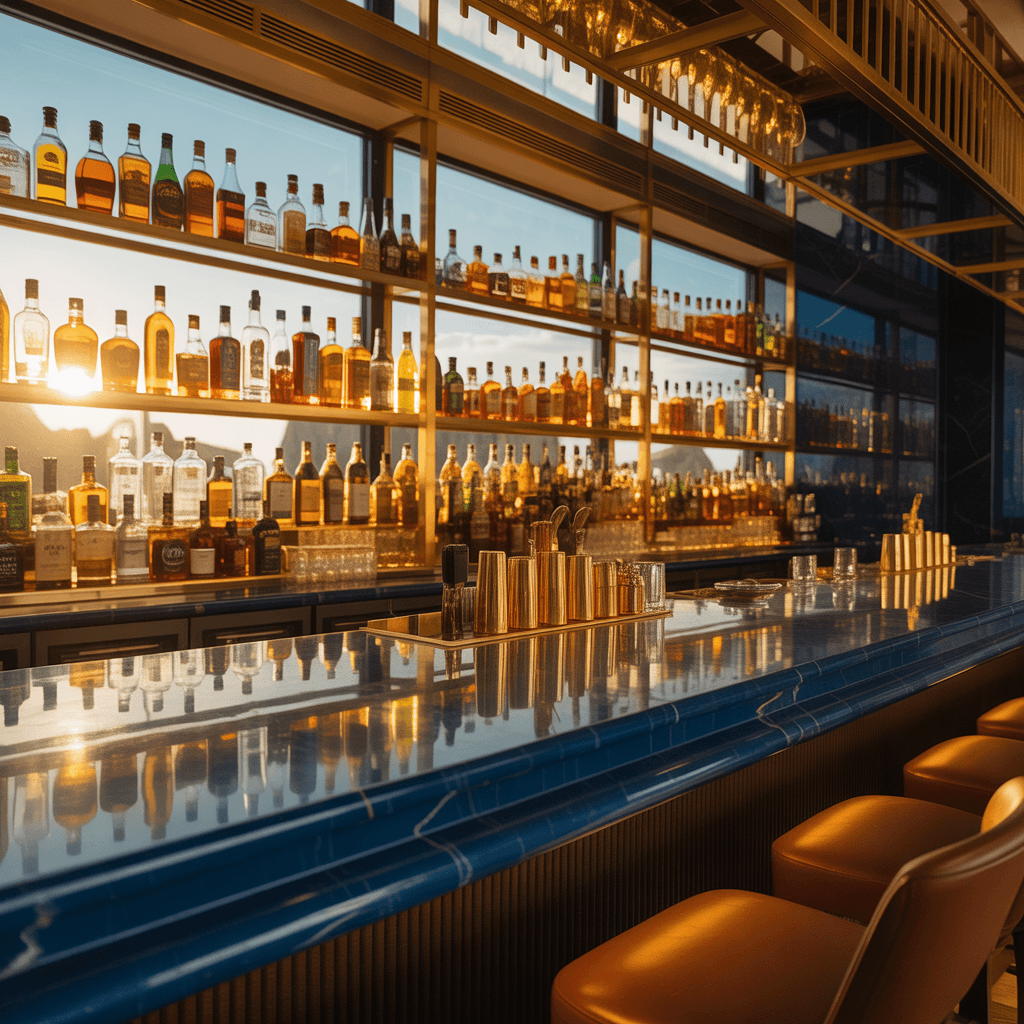
The space has a voice. The light at noon tells you something different than the light at nine in the evening. The flow from the entrance to the seat either builds anticipation or deflates it. Before a single ingredient gets ordered, a serious F&B director spends real time in the space at different hours, watching how people move through it and listening to what it wants to be. The menu that comes out of that process is a different menu than the one that came out of the planning meeting.
Where AI Changed My Process
I started using AI as a thinking partner in concept development not to generate recipes but to pressure-test premise. You describe the guest, the space, the feeling you're designing toward, and then you ask the hard questions out loud. Who else is already doing something close to this within three miles? What does this guest experience look like at the end of a bad service night, not just a great one? What happens to this concept when the original chef leaves?
Those questions have always existed. What changed is having a partner willing to ask all of them in sequence without getting defensive or tired. The AI does not have an ego attached to the concept. It does not protect the direction because it spent three weeks developing it. That objectivity is genuinely useful when you are too close to something to see it clearly, which in F&B is almost always.
The Menu That Writes Itself
When you build from the guest outward, through the space, through the story, through the service philosophy, something happens to the menu that is hard to describe until you have experienced it. It gets easier. Not because the culinary work is simpler but because every decision has a clear answer. This ingredient fits because it serves the feeling we are designing toward. This technique works because it matches the energy of the room. This price point is right because it reflects what this experience is actually worth.
The menu that comes out of that process has integrity. Guests feel it even when they cannot name it. They feel that someone made deliberate choices on their behalf, that nothing ended up on the plate by accident. That feeling is what builds loyalty. Not the dish itself. The evidence that someone cared enough to think it all the way through before they served it.